Complete Guide to Garland Residential Electrician
Skilled Residential Electrician for Safe and Efficient Answers
A seasoned residential electrician holds a key role in ensuring the safety and efficiency of power installations in properties. These trained technicians are competent to undertake installations, repairs, and upgrades, ensuring compliance with electrical codes and municipal regulations. Prevalent issues, including flickering lights or faulty circuits, regularly require professional expertise. Recognizing the breadth of their activities highlights crucial questions about durability, trustworthiness, and extended lifespan of a home's electrical infrastructure. What should dwelling owners consider before hiring?
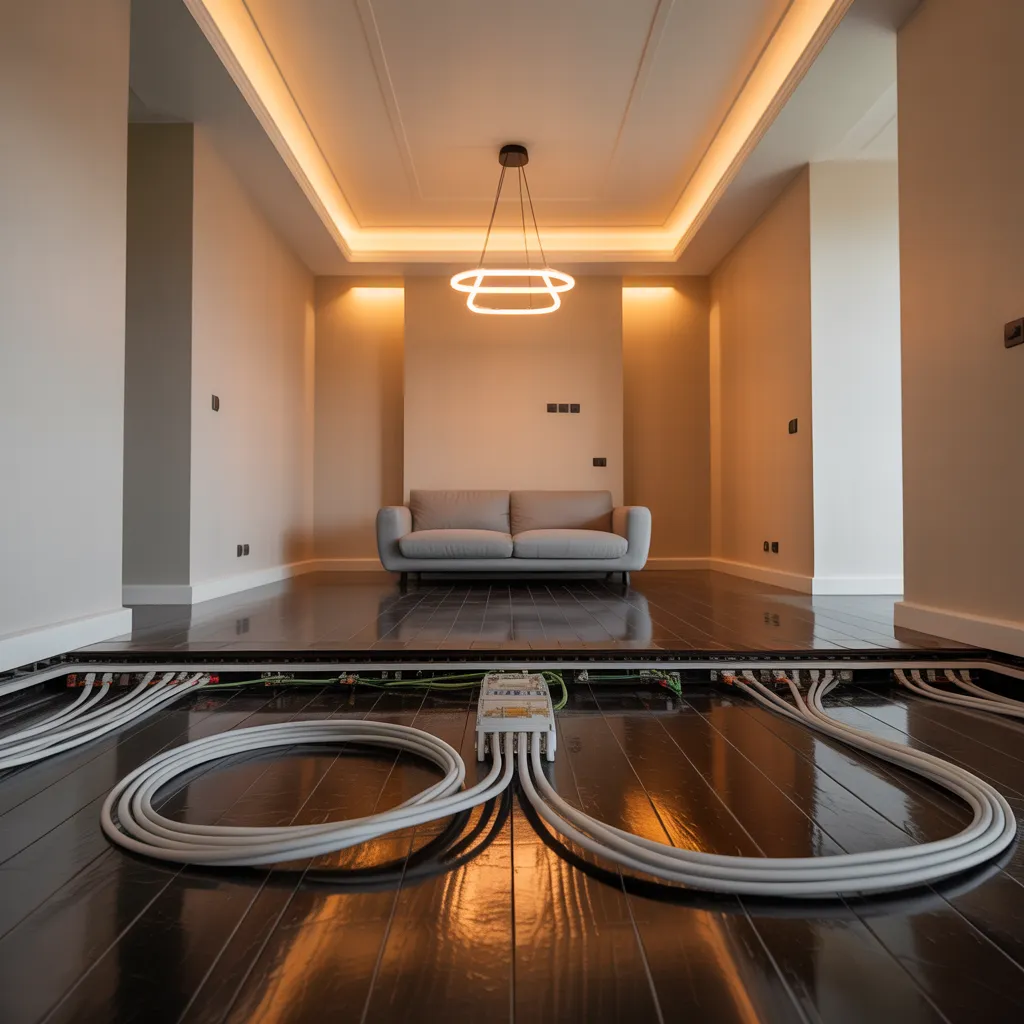
What Does a Home Electrical Technician Actually Do?
A residential electrician focuses on the installation, maintenance, and repair of electrical systems within homes. Their primary responsibilities encompass wiring, circuit installation, and the setup of lighting fixtures. They also diagnose electrical issues, guaranteeing that systems operate efficiently and safely.
Together with these tasks, residential electricians undertake routine examinations to detect potential hazards and confirm compliance with relevant codes. They regularly refurbish existing systems to facilitate new appliances or technology, thereby enhancing a home's functionality.
Additionally, they extend crucial consultation services, instructing homeowners toward eco-friendly energy options and innovative electrical designs. A residential electrician furthermore works alongside other contractors throughout renovation projects or new building work, guaranteeing that electrical work functions harmoniously with other components of the project. By using professional-grade equipment and maintaining compliance with industry standards, they constitute an essential role in upholding a protected and consistent electrical environment in residential settings.
Safety Guidelines in Electrical Work: Important Information for Homeowners
What tactics can property owners use to guarantee their electrical systems continue to be protected and regulatory compliant? Comprehending safety rules is paramount. Power codes, such as the National Electrical Code (NEC), offer a standard for safe installations and practices. Homeowners should determine their installations meet these specifications to reduce threats of fire damage and shocks.
Routine examinations by a licensed electrician can help recognize potential threats. Electricians are experienced to follow local regulations and implement safety systems. Homeowners should also be educated of proper load capacities to stop overload, which can lead to overheating.
Moreover, incorporating compliant supplies and components is paramount for preserving safety. Homeowners must prioritize the deployment of GFCI outlets in humid environments and verify smoke detectors are operational. By staying knowledgeable and proactive about power safety expectations, homeowners can greatly minimize risks and secure a safe living environment.
Standard Electrical Concerns and How Professionals Tackle Them
Homeowners frequently face various electrical issues that can pose risks to safety and functionality. Common problems include flickering lights, breakers that trip, and outlets that fail to work. These issues can stem from old-fashioned electrical systems, overloaded circuits, or defective devices.
Power surges are another frequent issue that can harm gadgets and equipment. GFCIs (Ground fault circuit interrupters) may also fail, creating dangers in wet areas like kitchens and bathrooms.
Technicians determine these problems by performing extensive inspections, examining wiring quality, and analyzing the demand on circuits. They utilize specialized equipment to identify concealed defects and confirm adherence with safety standards.
How to Handle Usual Electrical Problems With Professional Help
Skilled electricians are often needed to handle typical electrical problems. Lights that flicker, frequent circuit breaker tripping, and malfunctioning outlets are problems that can indicate underlying electrical faults. Hiring a qualified electrician ensures these issues are identified accurately and resolved safely.
Flickering Lights Solutions providing experienced solutions
Flickering illumination can disturb the comfort of any home, indicating potential electrical issues that need immediate attention. This common problem often points to loose connections, faulty switches, or inadequate wattage. Homeowners should first check if the flickering happens with selected bulbs or throughout the entire house. If it is isolated, replacing the bulb may solve the issue. However, persistent flickering means consultation with a professional residential electrician, who can accurately diagnose and rectify underlying problems. A qualified electrician will inspect wiring, analyze circuit loads, and guarantee all connections are secure. Addressing flickering lights promptly not only restores peace but also enhances safety, preventing potential hazards like electrical fires. Professional intervention provides peace of mind and long-term solutions.
Circuit Breaker Activation Reasons
Constant circuit breaker tripping can indicate underlying electrical issues that may pose hazards. Typical reasons include circuits with excessive load, where too many devices consume electricity from a single source, causing overheating and activation. Additionally, short circuits can occur when wires become damaged or frayed, creating a direct path for electricity that bypasses normal resistance. Grounding faults, which happen when a live wire contacts a grounded surface, are also concerning. Finally, aging circuit breakers may fail to function properly due to deterioration. Recognizing these issues is critical; engaging a professional residential electrician to diagnose and resolve these problems ensures safety and efficiency in the home's electrical system.
Outlet Problem Resolution
Understanding the possible problems associated with circuit breakers naturally leads to the necessity of troubleshooting outlet malfunctions. Outlet issues can appear as flickering lights, non-functional devices, or strange sounds from the outlet itself. These symptoms often indicate underlying electrical issues that need professional evaluation. A qualified electrician will begin by inspecting the circuit for excess load, loose connections, or damaged wiring. They may also test for proper grounding and voltage levels to ensure safety. Addressing these malfunctions promptly is crucial, as neglect can lead to more severe hazards, including electrical fires. By relying on a professional, homeowners can make certain that their electrical systems operate efficiently and safely, protecting both their property and their peace of mind.
Why Select an Specialist for Electrical Upgrades?
Upgrading electrical systems can significantly improve a home's performance and security, making professional help vital. Homeowners often underestimate the intricacies of electrical upgrades, which can lead to costly mistakes or hazardous situations. Professional electricians possess the necessary training and experience to navigate local codes and regulations, ensuring that upgrades are secure and regulation-compliant.
Furthermore, specialists can examine a home's specific electrical needs, recommending personalized approaches that boost performance and energy efficiency. They are provided with the necessary equipment and skill to address potential challenges, such as outdated wiring or insufficient load capacity. This proficiency not only reduces risks but also increases the longevity and reliability of the electrical system.
In the end, hiring a qualified electrician for enhancements not only safeguards a home but also offers peace of mind, understanding that the work is correctly and efficiently performed, thereby increasing the value in the property.
What to Expect During Your Electrical Assessment?
During an electrical inspection, homeowners can expect a thorough evaluation based on a common checklist that demonstrates key components of their system. Inspectors will assess conformance to safety standards to guarantee the electrical setup is reliable and protected. Understanding these expectations helps homeowners prepare for a successful inspection process.
General Inspection Schedule Items
A thorough electrical inspection regularly demands several key checklist items that pledge safety and respect with regulations. Assessors often proceed by studying the power panel for proper ground contact and secure junctions. They check wiring for any signs of weathering, damage, or improper installation. Circuit breakers and fuses are assessed to substantiate they are functioning correctly and adequately matched for the load. Besides, outlets and control switches are inspected to reaffirm they are ground-protected and devoid of faults. Smoke detectors and CO sensing units are too checked for proper operation. Finally, the inspector appraises any modifications or improvements to the electrical installation to ascertain they conform to local codes and criteria, ensuring the full safety of the home's electrical systems.
Safety Standards Compliance Assessment
Following an thorough inspection checklist, understanding safety standards compliance is essential for property owners. Compliance with electrical safety standards ensures that electrical installations meet both federal and local regulations, minimizing hazards associated with electrical hazards. Property owners can expect the electrical contractor to inspect proper grounding, circuit quality, and the application of certified materials. Furthermore, adherence to the National Electrical Code (NEC) is essential, as it defines the minimum safety standards for electrical installations. During assessments, electricians will evaluate the functionality of smoke alarms and carbon monoxide alarms, confirming they work properly. By focusing on safety standards, homeowners not only protect their residence but furthermore safeguard the well-being of their household members. In conclusion, compliance fosters confidence in electrical work and promotes long-term safety.
Tips to Decide on the Appropriate Electrical Expert for Your Home
Determining the best electrician for your home can seem tricky—what factors should one keep in mind? First, checking qualifications is necessary. A licensed electrician establishes that they have satisfied the needed education and requirements. Homeowners should also verify insurance, as this safeguards against potential liabilities during the job.
Experience constitutes another primary factor; consultants with a solid track record are often more experienced at coping with various issues. Perusing critiques and obtaining accolades can present knowledge into their associated resource accountability and performance of work.
Additionally, acquiring several estimates allows homeowners evaluate pricing and services, guaranteeing they get a competitive price. Communication skills are equally important; an electrician must describe problems and remedies in a straightforward manner.
Finally, assessing their knowledge with local regulations and regulations can avoid future complications. By thoughtfully considering these elements, homeowners can make an informed choice, in the end ensuring security and efficiency in their electrical projects.
Popular Inquiries Asked Often
How Much Will You Spend to Retain a Residential Electrical Specialist?
The expense to employ a home electrician typically varies from $50 to $100 per hour, based on location and difficulty of the work. Additional charges may accrue for materials and urgent services, influencing the final expense.
How Much Time Will an electrical job Usually Need?
An electrical project typically takes a few hours to several days, based on its scope and complexity. Simple repairs may need little time, while major installations or renovation work can extend the duration considerably.
What Qualifications Should I Search for in an Electrical Contractor?
When seeking an electrician, one should focus on qualifications such as appropriate certifications, protection, pertinent background, and positive customer reviews. Additionally, certifications in specialized areas can boost their credibility and guarantee excellent work.
Is Urgent Electric Service On Hand?
Emergency electrical assistance are indeed available. Many electricians provide 24/7 support for pressing issues, ensuring quick response times and fixes to restore security and functionality. Property owners should verify accessibility and turnaround before emergencies occur.
Am I Permitted to Perform Electrical Work on My Own According to Law?
In many jurisdictions, property owners can lawfully execute electrical work on their own properties, but regulations are inconsistent. It's fundamental to consult local codes and safety standards to copyright compliance and eliminate potential hazards or fines.